
So first off, what does headspace actually mean? Headspace is the distance from the face of the bolt (Breech face) to the point in the chamber designed to contact the cartridge case. In most bottleneck cartridges this is the midpoint of the shoulder angle. See below.
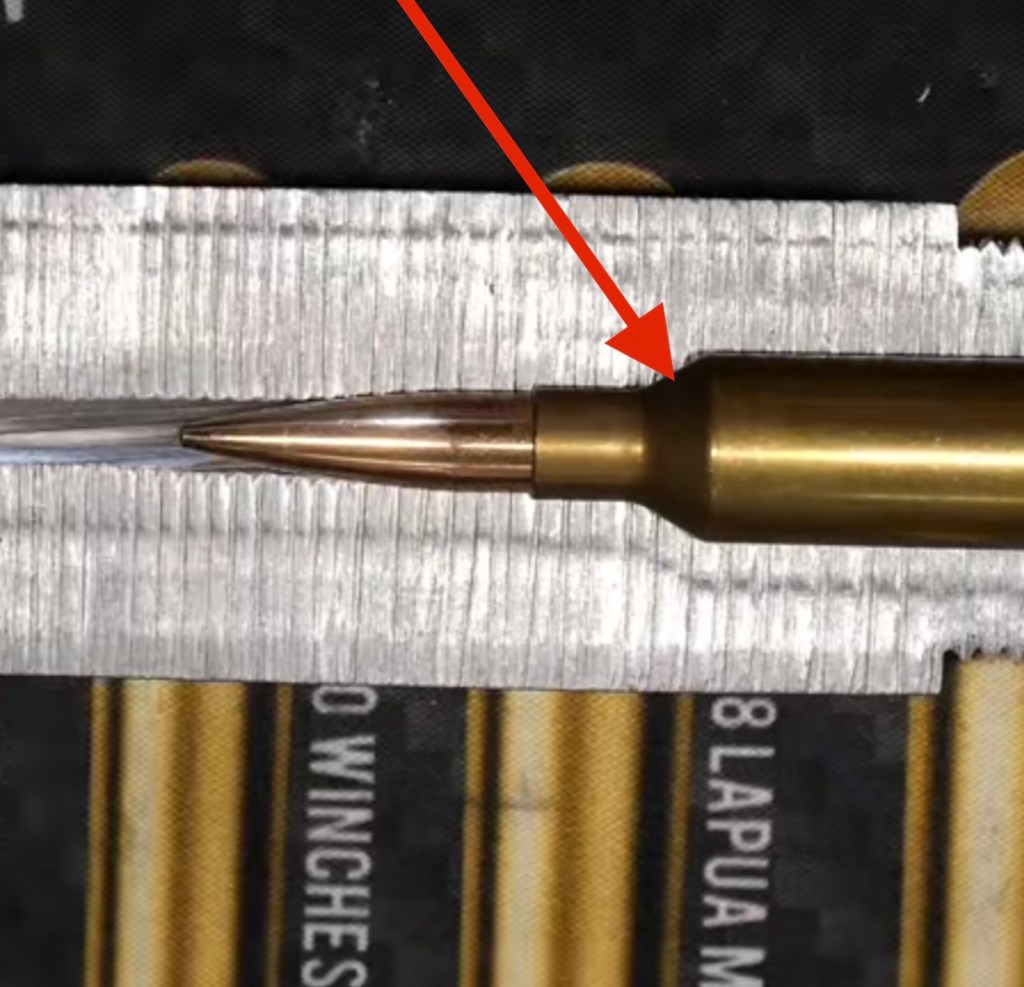
Theoretically this is the only point before firing that the case actually contacts the chamber. Because the cartridge is slightly smaller than the chamber so that it can be inserted without interference. So headspace essentially comes down to how much room you have between the bolt face and the contact point in the chamber. That is why it is such a critical dimension when it comes to firearm manufacturing.
Why is headspace important?
Because headspace controls how far the cartridge can sit into the chamber, it controls how the case sits in relation to the bolt. Because of imperfect manufacturing methods, everything has some variance. Because of this each cartridge has It’s own acceptable limit that the headspace must be between. This also means that no cartridge is going to sit perfectly on the bolt and in the chamber. This is why a “tight” headspace is usually considered more accurate, it allows less variation for the cartridge sitting in the chamber. Some firearm manufacturers hold to tighter tolerances then the typical standard for this reason. On the other side, what happens if headspace is out of tolerance? If the headspace is too deep the cartridge can go further in the chamber and this allows the cartridge to sit farther off the bolt face. This means the firing pin won’t be able to indent as far into the primer and that the case has to stretch more after firing to elongate and fill the chamber. This could possibly result in light primer strikes and over stretching the brass potentially leading to case failure in a worst case scenario. If the headspace is too tight, the case can’t be pushed into the chamber far enough meaning the bolt can’t move all the way forward into position. This can result in very difficult bolt close, because the case shoulder is being compressed, or the inability to close the bolt at all.
Because this is such a critical part of the function of the firearm, this is checked multiple time by the manufacturer. Seeing any actual headspace issues are extremely rare but would be able to be diagnosed and fixed by a competent gunsmith if issues are found. There are also two parts to this. The rifle headspace must be in established tolerances, but the case must also be within appropriate tolerances. improperly sized cases will show the same signs as headspace issues. This is especially important if you hand load ammunition.
Above we mentioned the bottleneck cartridge, but there are multiple other case variations that have different methods of setting headspace. Although the methods and locating features are different, the purpose is still the same. Here is an overview of some of the common methods.
Bottle neck:
This is the one shown above. Most modern rifle cartridges have adopted this case design. The headspace is set off the midpoint of the should taper. Because this is on the neck, the case is centered into a cone in the chamber. This cone helps align the case to the bore to ensure everything is lined up consistently as long as being used to control the headspace. This is generally considered the most accurate for that reason. Because of the geometry the case self centers in the chamber leading to more consistent results. but that doesn’t mean there are very accurate rifle with the other styles.
Rimmed cartridge:

This is very common in revolver, lever action, and rimfire cartridges. A rim with a larger diameter than the case body is at the base of the case. For these the headspace is defined as the distance from the breech face to essentially the face of the barrel. Because the rim is the contacting factor, the headspace is defined around the thickness of the cartridge rim.
Belted:

This style is common in some large magnum cartridges such as the 300 Win Mag, and the Weatherby cartridges. The headspace on these is controlled by the belt at the base of the case. Similar to the rimmed style, there is a portion of the case that is a larger diameter that is the contact surface. The base of the belt is the location the headspace is set from. Even though most of these cartridges do have a bottle neck shape, that is not where the case contacts the chamber. Since the case is bottoming out on the belt there is potential for the case to sit slightly off center with the chamber tolerances. The belt keeps the case from going in further, but does nothing to help center it. Not many new cartridges are coming out with this style, but due to the popularity of some cartridges that have it, they will be around for a while.
Straight wall cases:
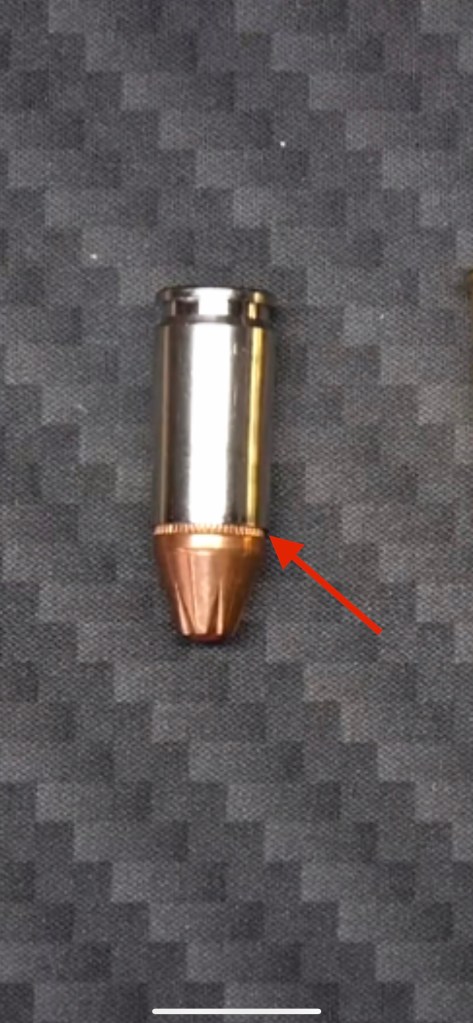
This style is typical to handgun rounds but some rifle rounds use this as well. With no bottle neck, rim, or belt, the only location to contact the chamber is the case mouth. This is the small lip at the end of the case where it steps down to the bullet. This style also only controls the depth and does nothing to help center the case in the chamber.
Personally I am partial to the bottleneck style just because of the fact that it assist in centering the case in the chamber. But I have shot many belted and rimmed case rifles that shot amazing. With straight wall being usually reserved for handgun rounds, the accuracy differences for that style are something I haven’t focused on. Overall, headspace is something that the typical rifle owner will most likely never have to deal with, but it is a critical part to the overall function of the firearm.





 LONG RANGE SCIENCE
Leave a comment